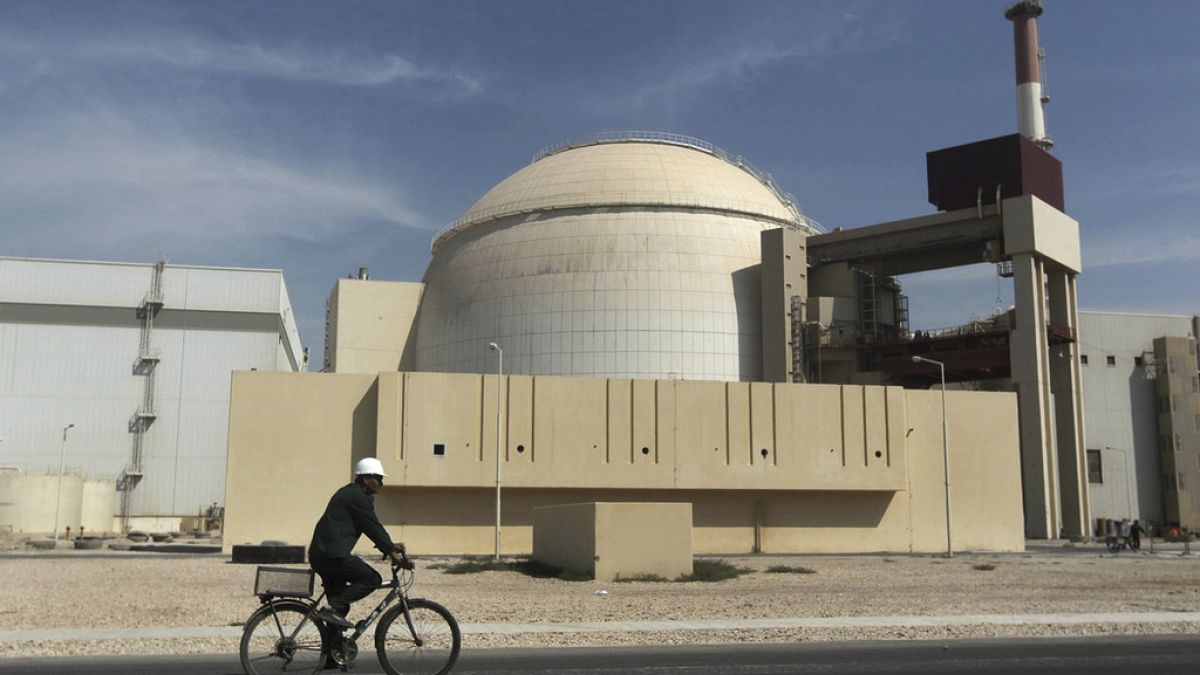


Will Iran build its first nuclear bomb or will it reach a deal with the West? A journalist from the Euronews Persian Service examines Tehran's options. Iran's nuclear activity began in the 1950s, coincidentally with American help, and within the framework of the "Atoms for Peace" programme which the US now wants to end. In 1967, Tehran installed a 5-megawatt research reactor at the University of Tehran and received 93% enriched uranium fuel from the United States.
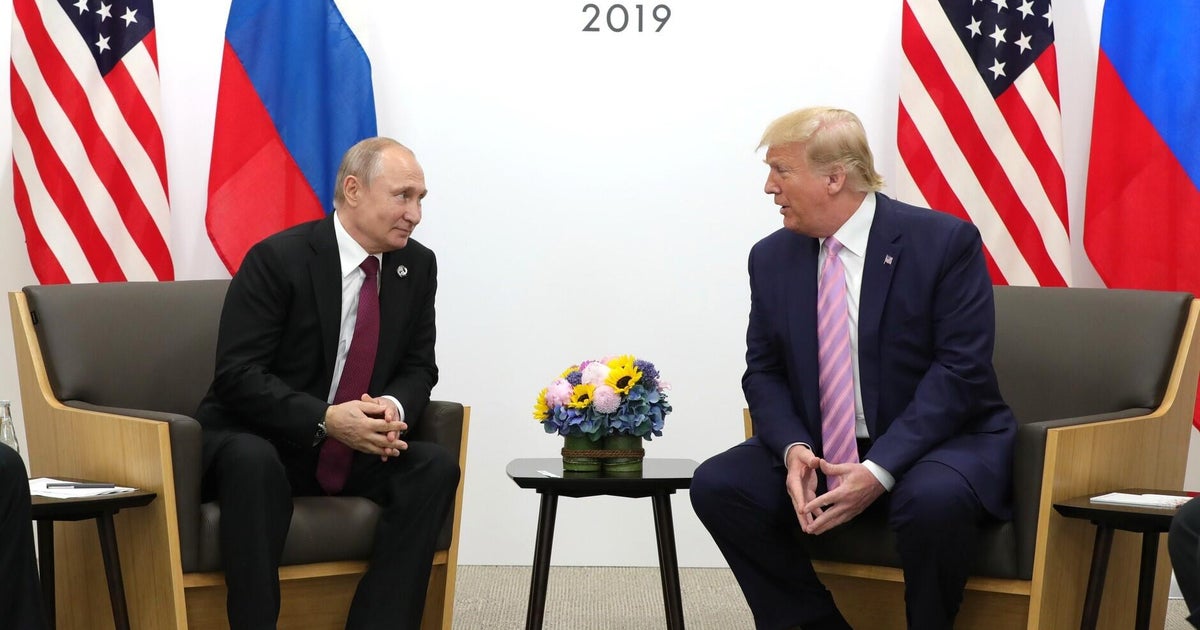
In the 1970s, it turned to European countries to further develop its nuclear programme and signed a contract with the West German company Siemens to build the Bushehr nuclear power plant, a project that was completed by Russia after the 1979 revolution. With the disclosure of the Natanz and Arak facilities in 2002, the West increased the severity of its sanctions and pressure on Iran. The nuclear agreement, known as the Joint Comprehensive Plan of Action (JCPOA), was signed in July 2015, but Trump withdrew from it in May 2018, and Iran, in response, gradually reduced its "nuclear commitments" and came closer to acquiring an atomic bomb.

Tehran says its nuclear activities are "peaceful" and that the production and use of weapons of mass destruction are abhorrent in Islam. But what is forbidden by Shiite religious scholars right now can be made permissible tomorrow by a fatwa issued by a Shiite religious authority and leader. The first most likely scenario: Iran is on the verge of building a bomb but has not decided t.