

We may receive a commission on purchases made from links. The invention of freezers completely revolutionized the way we purchase, store, and eat foods. Before these appliances were widely available, the idea of purchasing in bulk and keeping shopping trips to once a week (or once a month, even) felt impossible.
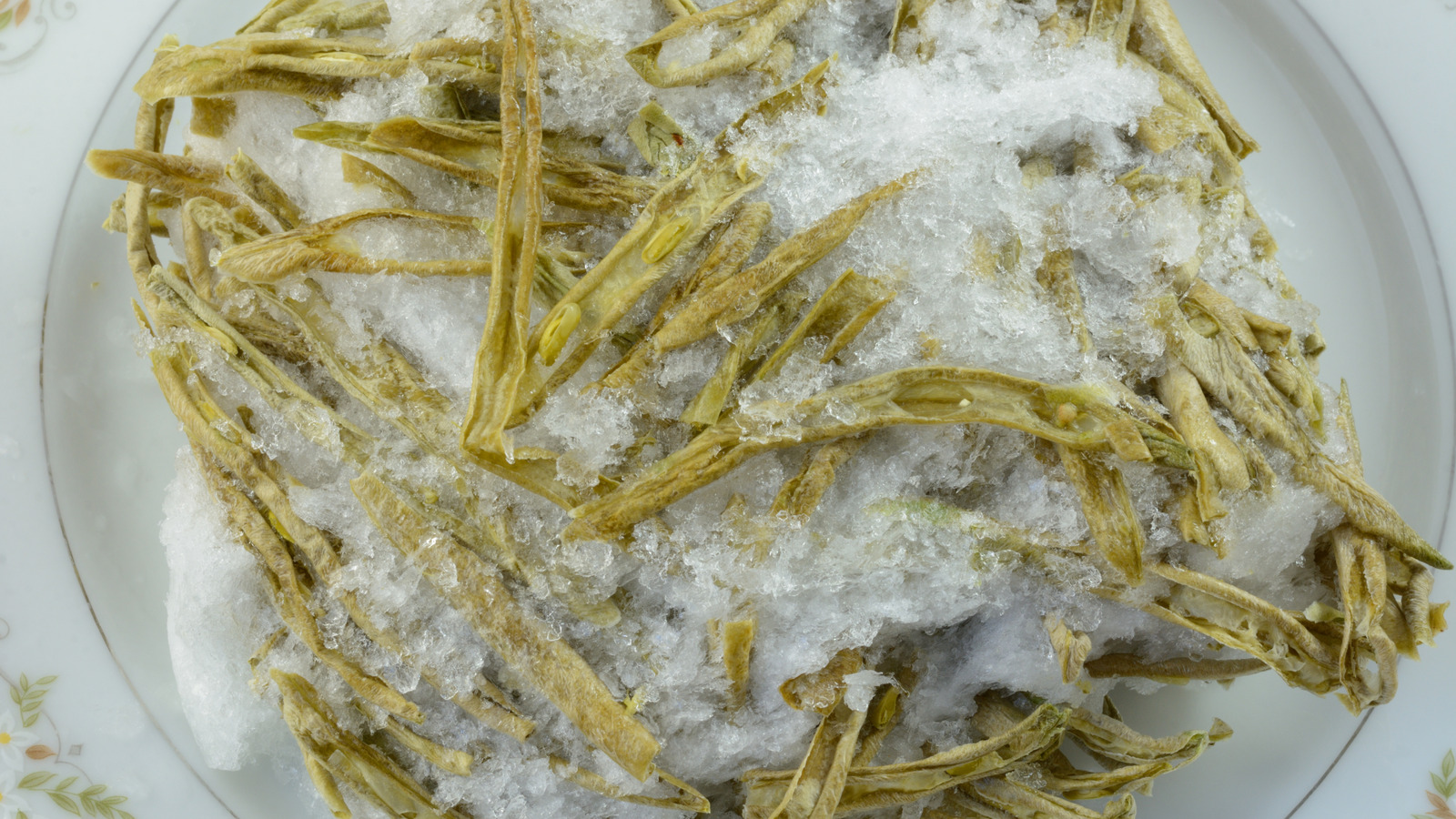
Now, it's the standard experience. But freezers are not without their drawbacks. If you've ever gone to grab meat or other frozen items out of your freezer only to find it covered in ice, discolored, and looking dehydrated, you've seen freezer burn — and likely wonder why this happened.

Is it a safety issue, or can the food still be eaten? Was there any way to prevent this from happening? During my more than 15 years of experience in the food industry, I spent a good deal of time managing freezer inventories for both bakeries and hot food restaurants. To protect investments and ensure the products we needed were always on hand, it was crucial I monitored for signs of freezer burn (or spoilage) and worked to correct mistakes I found while early enough to do so. I then transferred this skillset to my home life, where I've bought my meats and other frozen foods in bulk for decades and used best practices to prevent freezer burn.
Today, I'm sharing my experience, so you can understand this phenomenon and know exactly how to prevent it. Freezer burn happens because of moisture loss The scientific reason freezer burn happens is a process called sublimation, which happens .