

Idealised and idolised since more than 200 years as the fourth power (fourth estate), newspapers and their later-day cousins in the broadcast landscape, followed by digital channels in the new millennium, are seen as contributing to making or marring individual and institutional images just as they highlight issues that impact sizeable sections of audiences. Agendas thrust upon, and issues diverted or distorted in the name of gatekeeping at a time when prominent journalists in the West have begun dismissing “two-sides-ism” as outdated and impractical, do not bode well for maintaining objectivity. Little wonder that a Gallup poll in 2022 showed that Americans tend to trust newspapers significantly more than television.
American media critics are concerned over journalism losing considerable public trust. A Gallup poll has found that only 16 per cent of Americans have a “great deal” or “quite a lot” of confidence in newspapers. This was down from 25 per cent in 2012 and 35 per cent in 2002.
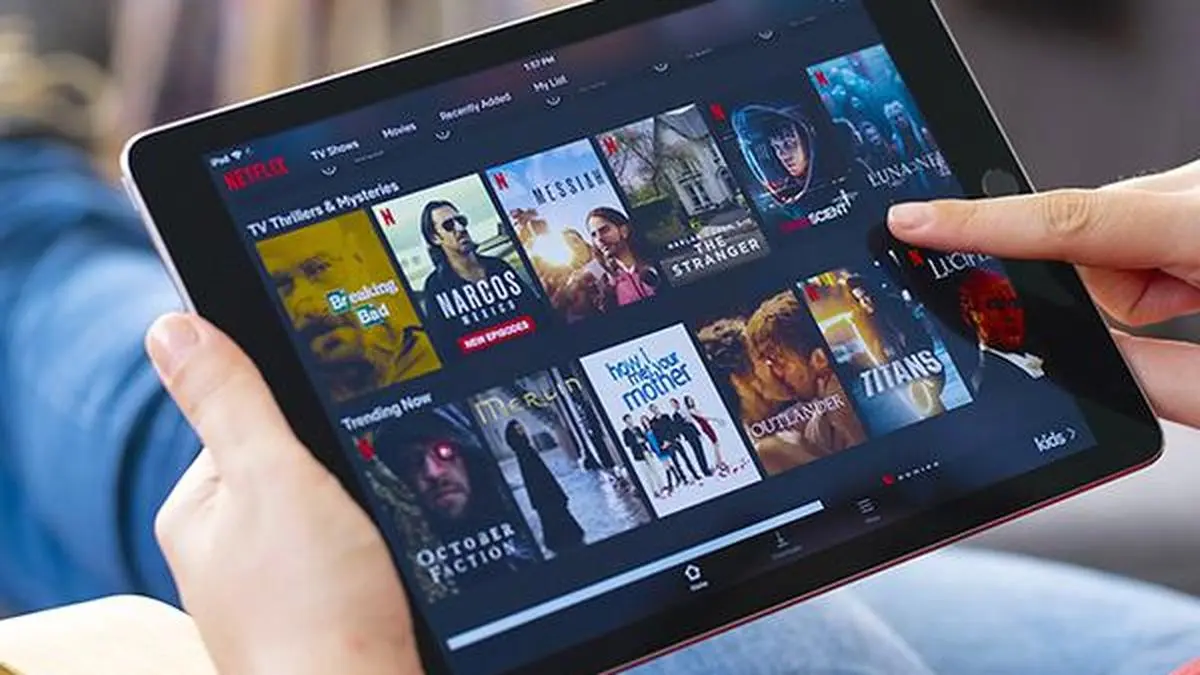
And now comes the era of multi-channels in the communication landscape inaugurating a variety of content choices, which enables the publics to pick their options in accordance with personal needs and specific interests. Time being a restrictive factor for any living being, receivers give their attention to the media contents that serve their interests the best. The theory of multiple media choices and audience migrations sees the fragmentation of audiences as an inevitable effect.