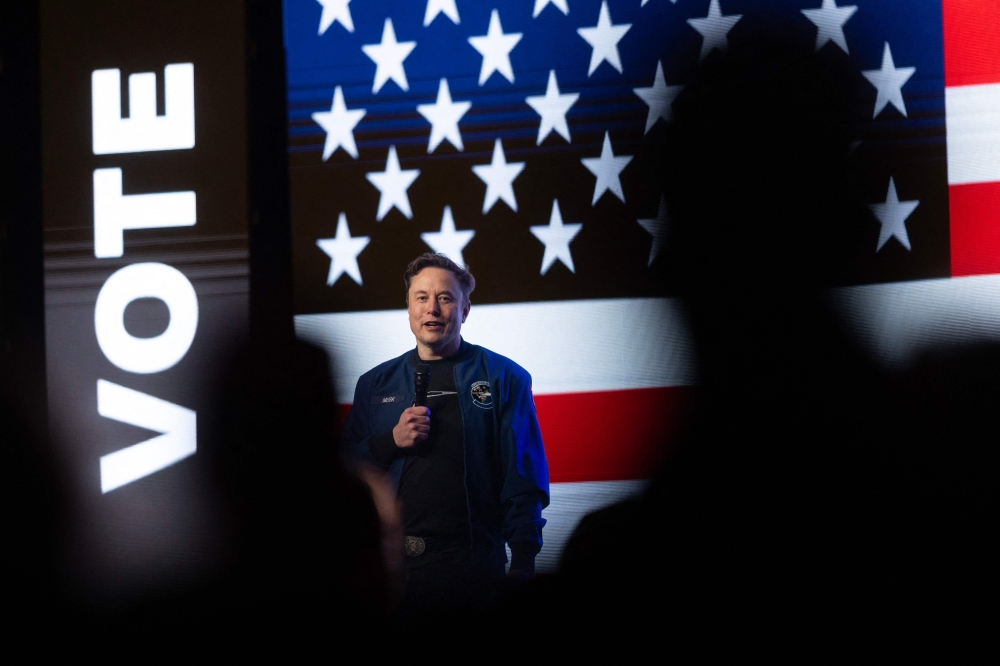


It has long been said that politics "makes strange bedfellows," but some such alliances are surely stranger than others. Take, for example, the emerging collaboration of working-class voters with the very, very wealthy in America who have increasingly allied themselves with President Trump. Who could fail to see a row of billionaires — including Amazon's Jeff Bezos, Tesla's Elon Musk and Meta's Mark Zuckerberg – invited to sit with the new president's Cabinet appointees in the Capitol at the inauguration ceremony? Yet network exit polls tell us Trump's share of the popular vote in 2024 was higher among those with household income of less than $50,000 than among those whose households made more.
Among voters with household income above $100,000 Democratic nominee Kamala Harris won rather easily. Historically, this is beyond anomalous. Household income has been strongly correlated with party preference for generations with the higher income groups tending to be more Republican.

"Rich versus poor" has been as common a narrative as North versus South, Protestant versus Catholic or urban versus rural. But today we are confronted with an alliance between those whom political scientists might call plutocrats and those who are increasingly labeled populists . The contrast is stark, but the symbiosis is unmistakable.
And we all await the outcome as the populist in Trump tries to co-exist with his newfound ally Musk, the world's richest man with abundant clout in the new administra.